What is the difference between Elf and Fairie. Well perhaps there isn’t one. The word faerie was originally a reference to the weird and uncanny and fairy is of French origin. Elf means white being in the Germanic languages, but the earliest surviving texts are of Anglo-Saxon origin. Perhaps there was once only the Elfin folk, but Fairie became a more popular alternative name with the introduction of Fairy Tales.
There existed a theory in the Highlands that Fairies were an ‘alien’ race, and the Elfin were counterparts of the human race, or that both were once fallen angels.
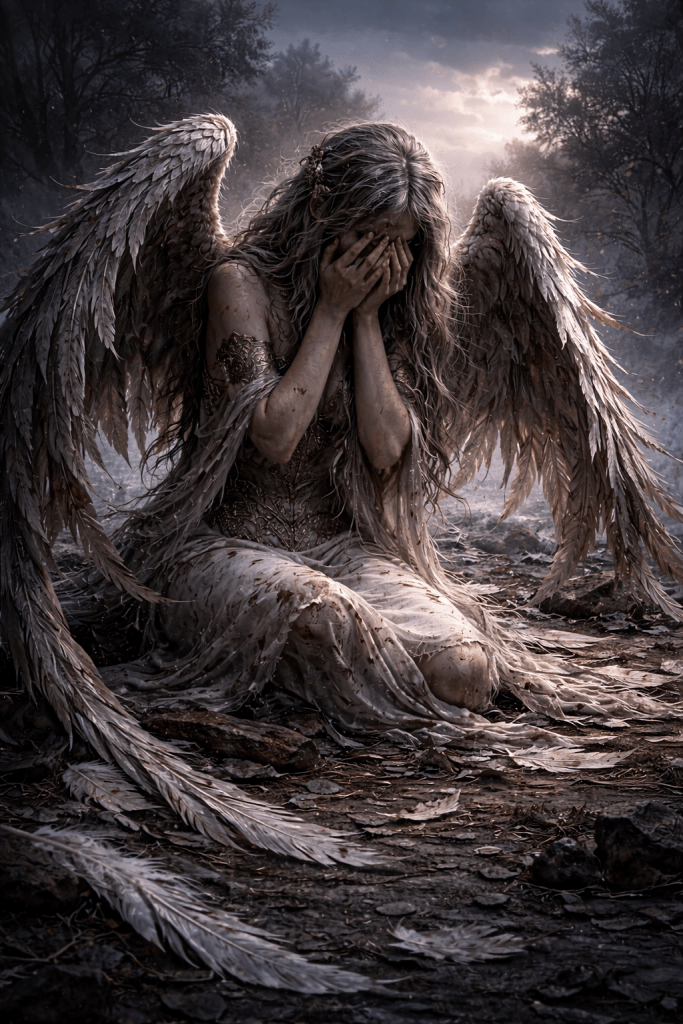
Fairie; other spellings include fairey, fairy, faerie, faery. “Beings of small stature, but finely proportioned; of fair complexion, with long yellow hair hanging over their shoulders and gathered above their heads with combs of gold”. They have become such as important part of our culture that there are numerous names they go by. The Ancient Ones, Bean Shith, Bendith Y Mamau, Blessed Folk, Blessed Ones, Children of Pride, Daoine Math, Daoine Shi, Daoine Sidhe, Elfins, Elfs, Fada, Fae Eire, Faerie, Faery Folk, Faery, Fae, Fai, Faierie, Faiery, Faine, Fair Family, Fair Folk, Fair, Fairies, Fairye, Fairy Family, Fairy People, Fane, Farie, Farisees, Fary, Fas, Fata, Fay, Faye, Fayerie, Fayery, Fayry, Fee, Feen, Feinen, Feiri, Fenoderee, Fenodrerr, Ferier, Ferisher, Ferrie, Ferrishyn, Fery, Fey, Feyrie, Feyrye, Folk, Forgotten People, Frairies, Fridean, Gentry,…
There are numerous named Fairies in Scottish folklore, but many have only scant stories associated with them. There is the trickster Buachaillean, the ‘little herd boy’; the shapeshifter Lazy Lawrence who induces laziness and lethargy in mortals; Ly Erg who wanders Glenmore looking for a fight; Gan Ceannach the ‘love talker’, a solitary male Fairie who wanders the more remote places, known for his powers of seduction and is particularly fond of shepherds and milkmaids.
 Folklore of Scotland